
- Home
- Practice Areas
- Motorcycle & ATV Accidents
Omaha Motorcycle and ATV Accident Lawyers
Helping injured motorcycle and ATV riders across Omaha and Nebraska focus on healing
Free Consultation
Tell us what happened.
Motorcycles and ATVs leave riders particularly vulnerable to serious injuries. According to national statistics, motorcyclists were almost 27 times more likely than passenger-car occupants to die per vehicle mile traveled in 2024. The same study found that they were almost five times more likely to be injured. In Nebraska, NDOT's 2025 year-end report recorded 21 motorcycle fatalities and four ATV fatalities. At Inserra Kelley Cooper Sewell, we have Omaha roots dating to 1960. Our experienced lawyers represent seriously injured motorcycle and ATV riders. Call today for a free consultation with one of our attorneys.
How We Can Help
- Why are motorcycle and ATV accident claims different?
- What causes motorcycle accidents in Omaha?
- Who may be responsible for a motorcycle or ATV accident?
- What Nebraska motorcycle and ATV laws should riders know?
- What evidence matters after a motorcycle or ATV crash?
- What compensation may be available?
- Where do motorcycle accidents happen around Omaha?
- Why choose Inserra Kelley Cooper Sewell?
- Omaha motorcycle and ATV accident FAQs
- Talk to an Omaha motorcycle and ATV accident lawyer
Why are motorcycle and ATV accident claims different?
Motorcycle cases frequently involve collisions with other vehicles, such as when a driver:
- Fails to yield
- Makes an unsafe left turn
- Doesn’t see a motorcycle during a lane change
- Strikes a motorcycle from the rear
- A driver is distracted or impaired
ATVs create a different set of questions because crashes can occur without another motor vehicle. Some of the frequent causes may include:
- Rollover
- Rider ejection
- Collision with a tree or other fixed object
- Collision with another ATV
- Unsafe terrain
- Improper passenger use
- Defective equipment

What causes motorcycle accidents in Omaha?
There are several common causes of motorcycle crashes, and many involve other drivers failing to respect the rights of a motorcyclist to use the road. Failing to see a motorcyclist often leads to devastating crashes. NDOT specifically advises motorists to look twice before turning or changing lanes, check their blind spots, and allow extra following distance when traveling behind motorcycles.
- Distracted driving/texting
- Impaired driving
- Speeding
- Following too closely
- Unsafe lane changes
- Road debris, potholes, gravel, or construction conditions
- Defective tires, brakes, or motorcycle components
What leads to ATV accident claims?
ATV accidents tend to occur somewhat differently. Many ATV crashes do not involve another driver, but that doesn’t mean that they can’t involve a claim. Possible sources of responsibility can include, depending on the facts:
- Someone who negligently entrusted the vehicle to an inexperienced or unsafe operator
- An ATV manufacturer if a defect contributed to the injury
- A repair/maintenance provider who left the vehicle in a dangerous condition
- A property owner who is responsible for a dangerous condition
- Another ATV or motor-vehicle operator
Nebraska recognizes negligent-entrustment liability under appropriate circumstances, and Nebraska's product liability statutes expressly contemplate personal injury claims involving defective products.
Who may be responsible for a motorcycle or ATV accident?
Recovering compensation in a motorcycle crash case means having a liable party to pursue for damages.
Motorcycle accident defendants
Depending on the crash, the liable party in a motorcycle crash claim might be:
- A negligent car or truck driver
- The driver's employer, if employment-related liability applies
- The manufacturer of a vehicle or a component manufacturer
- A repair shop or other party whose negligent work caused a mechanical failure.
- Possibly a government entity in an appropriate roadway-defect case (special notice and deadline rules may apply in these matters, so be sure to speak to a lawyer right away)
ATV accident defendants
In the case of an ATV crash, the potentially at-fault parties may include:
- An ATV operator
- The owner or person who supplied the ATV
- The manufacturer of the ATV
- A rental company or other commercial operator
- A maintenance or repair provider
- A property owner
- Another driver who was involved in the incident
Not every motorcycle or ATV crash will result in a successful personal injury case. The key question is whether another person's or company's negligent or wrongful conduct contributed to the accident or injuries. You don’t need to have all the answers before you call, though. We can help you understand whether you might have a claim.
What Nebraska motorcycle and ATV laws should riders know?
There are several highly relevant laws that every victim of a motorcycle or ATV collision should be aware of.
Nebraska's motorcycle helmet and eye-protection law
Nebraska no longer requires every adult rider to wear a helmet, but a motorcycle operator may only ride without a helmet if they are at least 21 years old and satisfy the licensing and training requirements in § 60-6,279. Eye protection does remain a requirement for motorcycle operators. It’s necessary to use glasses, goggles, an appropriate face shield, or a qualifying windshield. A Class M license or endorsement is required to operate a motorcycle on Nebraska highways.
Lane splitting is illegal in Nebraska
Motorcycles are entitled to the full use of a traffic lane, but up to two motorcycles may ride side-by-side. A motorcycle may not ride between lanes or rows of vehicles or pass another vehicle within the same lane.
Nebraska has specific rules for ATVs on public roads
Nebraska regulates ATV roadway use in detail as well. ATVs cannot generally operate on a controlled-access highway with more than two marked traffic lanes. Outside municipalities, ATVs can travel on certain roadways when they are incidental to agricultural use.
When within a city or village, local authorization under specific ordinances may apply.
Nebraska’s roadway authorization statute has certain requirements, including:
- The operator must have a valid Class O license or farm permit
- Operators need to have liability insurance
- There is a maximum speed limit of 30 mph
- The vehicle must have illuminated headlights and taillights
- There must be a required safety flag on the vehicle

What evidence matters after a motorcycle or ATV crash?
If you were in a crash, don’t wait to seek appropriate medical care. Reaching a safe place and getting the medical attention you need should always be your top priority. If you are able to, or if someone nearby is able to, take the following steps:
- Capture scene photographs and video footage
- Document the roadway and terrain conditions
- Get images of the motorcycle or ATV damage
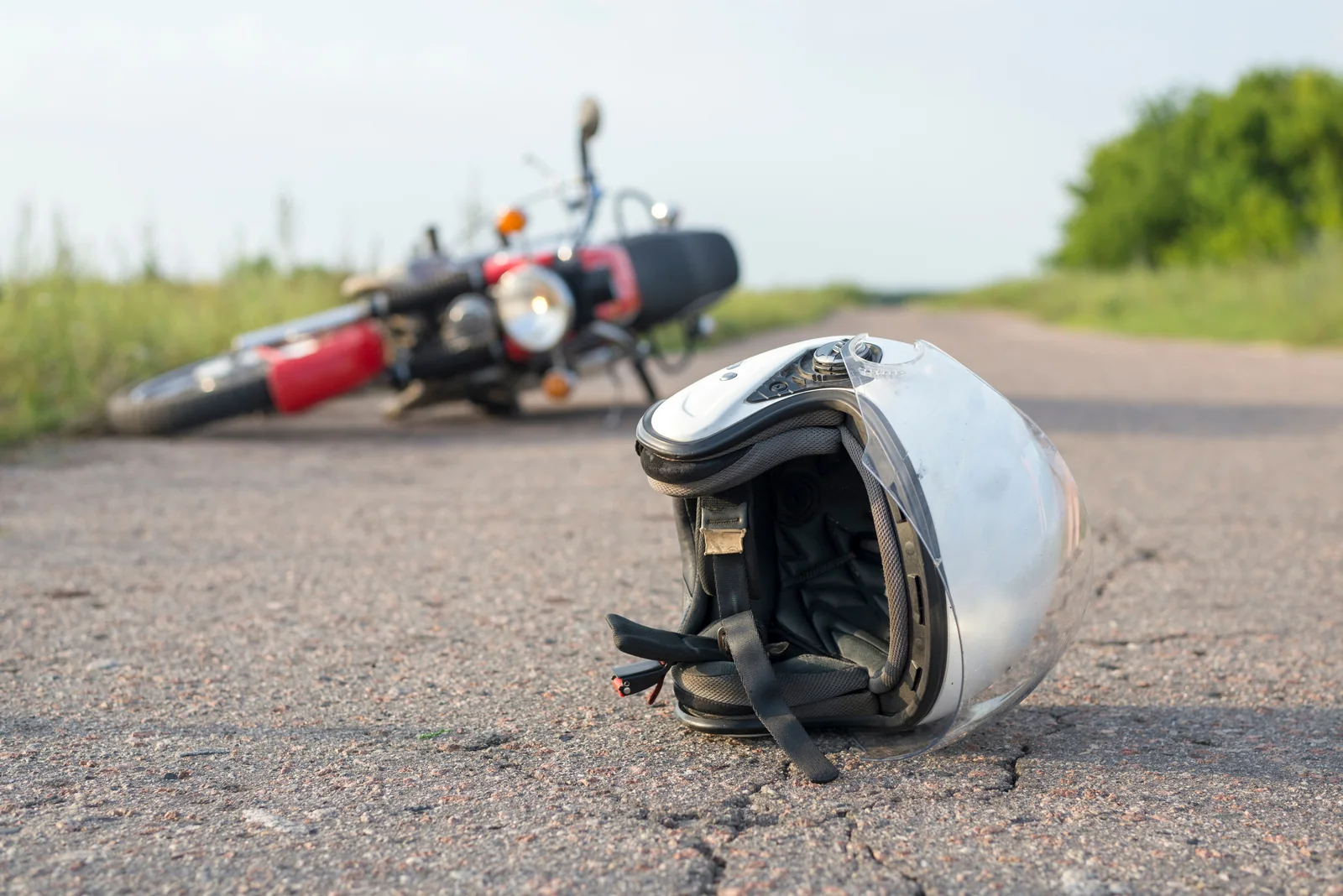
- Get pictures of the helmet and other protective gear, plus keep that damaged equipment rather than throwing it out.
- Collect witness names and contact information
- Gather police or other accident reports
- Locate any surveillance or dashcam footage in the area
- Notify your insurance provider
Remember not to immediately dispose of, salvage, or substantially repair the motorcycle or ATV after a serious crash. In cases where a mechanical defect or disputed crash mechanism could be important, you will want that equipment intact and unaltered.
What compensation may be available?
Damages available after an accident depend on several factors, including the extent of your injuries.
Losses after a serious riding accident
Depending on the case, your damages might compensate for your:
- Emergency and hospital care
- Surgery and rehabilitation
- Future medical treatment
- Lost wages
- Reduced future earning capacity
- Motorcycle/ATV property damage
- Pain and suffering
- Emotional distress
- Disability/permanent impairment
- Loss of enjoyment of life
Since motorcycle crashes may lead to catastrophic harm like traumatic brain injuries, spinal cord injuries, fractures, internal injuries, or amputations, your damages could be significant, and you may require long-term medical attention. Getting an accurate accounting of your losses is critical because once you resolve your claim, you can’t go back to ask for anything more.
Nebraska's comparative-fault and filing rules
One issue that often comes up in motorcycle crashes is the insurer attempting to blame the injured person for their injuries. Fortunately, even if you were somewhat at fault for your injuries, Nebraska doesn’t automatically prevent you from recovering compensation. However, the law does look at your share of fault and reduce your damages according to your percentage of negligence. Also, it will bar recovery if your negligence is equal to or greater than the combined negligence of those you are seeking to recover from. In basic terms, you must be below 50% at fault to recover.
Another important consideration is the filing time limits. Ordinary negligence-based injury claims generally have a four-year limitations period under § 25-207, while wrongful death claims are subject to a two-year deadline. There are certain exceptions that can shorten or alter deadlines, so it’s vital to speak to an attorney as soon as possible. For instance, a crash involving an uninsured or underinsured driver may also involve a UM/UIM claim with a different deadline, particularly under an insurance policy issued in another state. Nebraska courts may enforce a shorter contractual deadline in an out-of-state policy when the law governing that policy permits it.
Where do motorcycle accidents happen around Omaha?
There are certain high-volume roads where motorcycles regularly interact with turning and merging traffic in the Omaha area. Some places where traffic may create additional risks include:
- 90th Street & West Dodge Road — Data indicates this is the metro area's busiest intersection, at about 91,000 vehicles per day.
- 72nd Street & Dodge Street — This is also among the top three metro intersections.
- 72nd Street & Pacific Street — This is another heavily traveled central Omaha route.
- I-80/I-680 interchange — According to MAPA, this is the busiest interchange, with approximately 231,000 vehicles per day passing through.
- I-80/72nd Street — This is the third-busiest metro interchange and particularly local to IKCS's office at 6790 Grover Street.
Why choose Inserra Kelley Cooper Sewell?
There are several reasons our clients choose to work with us. First, we’re experienced Omaha personal injury lawyers who’ve successfully handled many motorcycle crash claims. Our past results can’t predict future outcomes. Every case presents unique facts. However, we’re proud of what we’ve achieved for motorcycle crash victims and believe that our track record showcases our dedication to our clients in high-stakes claims:

Trial preparation and knowledge of the insurance playbook
Inserra Kelley Cooper Sewell has served Nebraska and Iowa clients for more than 65 years. We’re trial lawyers, and we approach every case with the careful planning and strategy necessary if it eventually goes to trial. When the other side knows you’re not going to back down, they are often more likely to come to the table with a reasonable offer. If they don’t, we’ll be ready to try the case. Several of our attorneys have insurance-defense experience, so we know the tactics we’re likely to see and have ways to combat them.
$1.25 million
wrongful-death settlement — 2022: A motorcyclist was struck by a left-turning passenger vehicle.
$750,000
settlement — 2026: A motorcycle collided with a vehicle that failed to yield the right-of-way.
$500,000
settlement — 2025: A motorcyclist was struck by a distracted texting driver; pre-suit policy-limits resolution.
$500,000
settlement — 2024: A motorcyclist was rear-ended by a drunk driver.
What clients say
"Inserra Kelly helped me get through a stressful situation in a timely manner. They focused on my healing first and foremost and walked me through the legal steps one by one."– Jayne G.
"I couldn’t have ask for an easier process throughout the case. I made sure I did my part on my end they always made themselves available to meet in person regarding every aspect of the case."– Dasean P.
Omaha motorcycle and ATV accident FAQs
Can a motorcycle passenger file an injury claim?
Potentially yes, but it depends on the facts in the case. A passenger may have a claim involving another motorist, the motorcycle operator, or multiple responsible parties.
Can I have an ATV case if no other vehicle was involved?
What if I didn’t wear a motorcycle helmet?
Should I get rid of a totaled motorcycle or ATV?
How much does it cost to hire IKCS?
Do you have an Omaha motorcycle attorney near me?
Talk to an Omaha motorcycle and ATV accident lawyer
Following a motorcycle crash, you may be dealing with surgery, rehabilitation, missed work, or uncertainty about whether you can return to the activities you once enjoyed. We’re here to listen to what happened, investigate responsibility, deal with insurers, and explain the next steps while you focus on your recovery. Call Inserra Kelley Cooper Sewell today or fill out our online contact form to schedule your free consultation.