
What to Do After a Car Accident in Omaha: A Step-by-Step Checklist
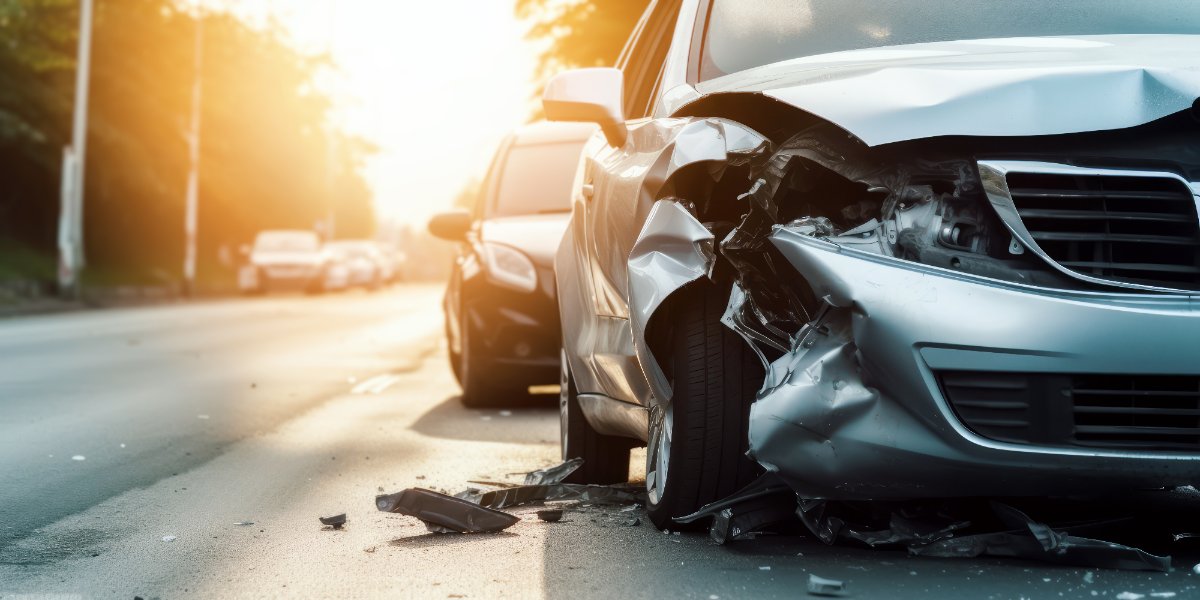 A Nebraska car accident can leave you feeling shaken, confused, and unsure of your next steps. Whether you’re involved in a minor crash on a city street or a major collision on I-80, what you do next can affect your health, safety, and ability to recover compensation. The team at Inserra Kelley Cooper Sewell has helped many victims just like you seek justice. Print this out so you’re ready whenever an accident occurs, and when you’re ready to discuss your claim in greater detail, call us.
Omaha car accident checklist: what to do immediately after a crash
Use this checklist to help you remember the most important steps after an Omaha vehicle accident:
✓ Stop your vehicle and check for injuries.
✓ Move to a safe location if possible.
✓ Call 911 and follow the dispatcher’s instructions.
✓ Exchange contact and insurance information with the other driver.
✓ Photograph the vehicles and accident scene.
✓ Collect witness names and contact information.
✓ Seek medical attention.
✓ Determine whether you need to file a Nebraska crash report.
✓ Notify your insurance company.
✓ Avoid giving the other driver’s insurance company a recorded statement before you’ve spoken to an attorney.
✓ Consider reaching out to a car accident attorney for further guidance.
Step 1: Stop, check for injuries, and move to safety
Right after an accident, stop the vehicle and check yourself and your passengers for injuries. If anyone seems to be seriously injured, do not move them unless they are in immediate danger and must be moved.
If it’s safe to do so, move your vehicle out of active traffic. Otherwise, you risk one accident becoming a multi-car pileup. Turn on your hazard lights to alert other drivers. If you can’t move your vehicle because it cannot be driven, be aware of approaching traffic. Put on your hazard lights and wait for further guidance from law enforcement or emergency responders. If you see smoke or suspect a fire, move a safe distance away and call 911.
Step 2: Call 911 and report the accident to Omaha police
Once you’re somewhere safe, decide whether you need to call 911. If someone is hurt, the vehicles are blocking traffic, or you suspect the other driver is drunk, call 911 rather than trying to handle the situation yourself. For a very minor accident with no injuries, the non-emergency police line may be a better option.
It’s easy to get overwhelmed after a crash, but try to give the dispatcher a clear picture of what’s happening and where you are. Tell them where you are, if anyone needs an ambulance, and if there are vehicles blocking the road.
Don’t assume a police officer will automatically come to the scene. While they may, there are times that they choose not to respond to minor crashes, particularly if they’re handling more urgent calls.
If a police officer does respond to the scene, find out how you can obtain a copy of the crash report. This document may include details you didn’t catch at the scene, including what the other driver said, the officer’s observations, and information about damage to each vehicle.
Step 3: Exchange information and document the accident scene
If it’s safe to do so, exchange information with the other driver or drivers involved in the accident. Exchange names, contact information, driver’s license numbers, license plate numbers, and insurance information. Jotting down the make and model of the car can also be helpful. If you were involved in a semi–truck accident, you should also get information on the trucking company.
In some cases, the other driver may be aggressive, angry, or impaired. In these situations, you may want to exchange information only with the help of a police officer.
This is your best chance to document the accident scene. Take photos that show:
- Damage to all involved vehicles
- The position of the vehicles if they have not been moved
- Traffic signals, road markings, and road signs that clearly show the location of the crash
- Skid marks, debris, and other roadway conditions
- Weather and traffic conditions if they contributed to the collision
After a crash, you may also be able to access surveillance footage from nearby businesses or doorbell cameras.
Step 4: Get medical attention, even if you feel fine
This is the step that accident victims skip too often. Not all car accident injuries cause immediate symptoms. You may initially feel fine because of adrenaline or the relief of realizing you’re relatively safe. When symptoms develop hours or days later, you may have lost valuable treatment time.
Common accident-related symptoms include headaches, neck pain, neck stiffness, back pain, dizziness, and limited mobility.
Some symptoms are warning signs for serious injuries. Passing out, developing a severe headache, becoming increasingly confused, or noticing significant bruising across your abdomen could mean you’re dealing with something much more serious than you initially thought. Unusual or worsening drowsiness after a head injury is another warning sign. Don’t wait to see if these symptoms go away on their own; get emergency medical help.
Even if nothing seems seriously wrong, seeing a doctor soon after a crash gives you a chance to catch injuries that aren’t immediately obvious. This is especially important for those involved in motorcycle or ATV accidents, as riders are at heightened risk of serious injuries.
Step 5: File a Nebraska crash report if necessary
Per Nebraska law, a driver’s report is needed if an accident results in injury, death, or apparent property damage of $2,000 or more to any one individual’s property. You typically have to file this within 10 days. However, you do not need to file this if a law enforcement officer responds to the scene and investigates the accident.
Step 6: Notify your insurance company and be careful with adjusters
Contact your own insurance company promptly after the accident. Your policy likely requires you to provide notice within a reasonable amount of time. Give them all the information you have, including the other driver’s contact details and insurance details. If you were injured in a bicycle or pedestrian accident, your own insurance may still play a role in your crash; you can call them to discuss your collision.
You have to be careful when communicating with the other party’s insurance company. The other driver’s insurance company is not required to act in your best interest, so any information you give them may ultimately work against you during the claim process. Avoid giving a recorded statement until you speak to a car accident attorney.
Step 7: Reach out to an Omaha car accident lawyer
Some accidents are straightforward enough that legal guidance isn’t truly necessary. Others are more complex and may benefit from legal representation. You may want to talk to a car accident attorney if you suffered significant injuries, the insurance company denies responsibility, there are multiple at-fault drivers, a commercial truck was involved, or the other driver does not have enough insurance.
Schedule a consultation with our team now
At Inserra Kelley Cooper Sewell, our team is ready to learn more about your crash, analyze your injuries, gather evidence, and start working on your claim. Follow these steps after a car accident, then call us or contact us online to schedule a consultation now.